


Post
2 Min.
23. November 2025
Traveling at 40,000 km/h towards Earth: Space debris is harming our environment

Dr. Patrick Flamm
Wissenschaftler
Institut: PRIF - Leibniz-Institut für Friedens- und Konfliktforschung
E-Mail: flamm@prif.org
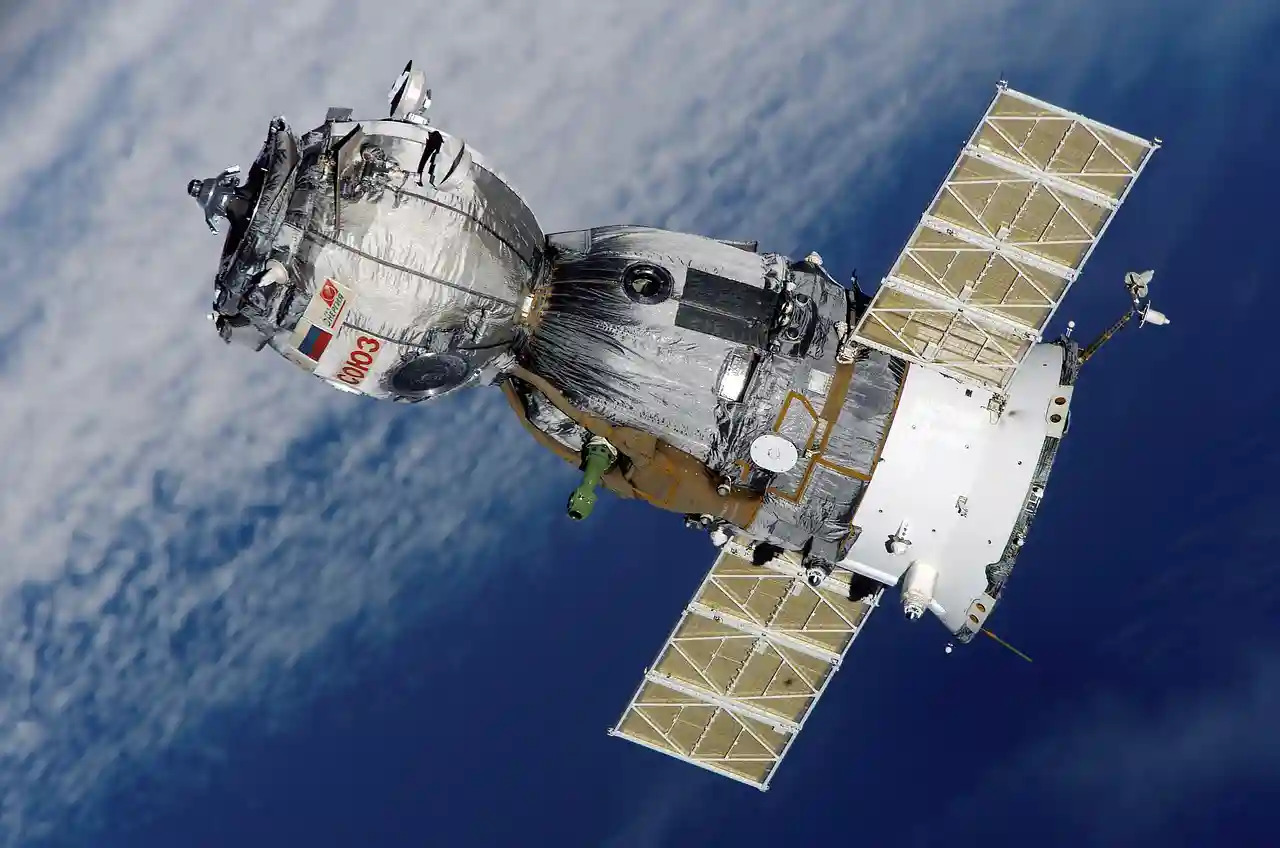
Alle Artikel dieser Autor:inHigh above our heads, the International Space Station (ISS) orbits at an altitude of around 400 kilometers. Astronauts live and work there under extreme conditions. But they face a new and growing problem: space debris. This debris consists of old satellite parts, spent rocket stages, and broken equipment. Even pieces just millimeters in size hurtle around the Earth at speeds of approximately 40,000 km/h. A collision with the ISS or functioning satellites can cause significant damage. The ISS therefore has to perform evasive maneuvers regularly.
On average, a satellite now crashes to Earth once a week. Most land somewhere in the ocean, but reports of debris in populated areas are increasing. For example, in the spring of 2024, a 40-kilogram rocket part landed in a field in Canada, as reported by the Canadian broadcaster CBC. The risk that space debris could one day destroy homes and kill people is therefore increasing due to the exponential growth of satellites in Earth’s orbit.
Satellites are necessary for modern communication.
Modern satellites have become indispensable in our lives. They help us navigate with our mobile phones, provide weather forecasts, and are crucial for many government agencies, companies, and even the military. When satellites are damaged or destroyed by space debris, it can significantly impact daily life in Germany – from communication and emergency calls to rail transport and agriculture.
In recent years, thousands of new satellites have been launched into low Earth orbit (LEO). Companies like SpaceX are building entire networks there, for example, to provide high-speed internet worldwide. But the more technology there is up there, the more debris is generated – especially when satellites aren’t properly disposed of. They often remain as broken objects in orbit.
Controlled crash only possible with risks
One way to get rid of old space debris is to re-enter Earth’s atmosphere in a controlled manner. Many pieces burn up due to frictional heat. This sounds like a solution, but it’s not without risk.
Researchers, for example from the Leibniz Research Network “Earth & Societies,” warn that re-entering Earth’s atmosphere could create new problems. During such re-entry events, small particles and pollutants enter the middle and upper atmosphere. We don’t yet know exactly what happens there – but it could have serious consequences for our climate and the ozone layer.
Space debris: Damage to Earth and the environment can currently only be estimated.
The team of Leibniz researchers refers to this phenomenon as “atmospheric blindness.” This means that, on the one hand, the atmosphere is not yet being adequately considered in solutions to the space debris problem, and on the other hand, too little research has been done to understand the effects of space debris on Earth’s atmosphere. The researchers are therefore calling for greater collaboration between disciplines such as environmental science, engineering, political science, and ethics.
Space debris is thus not just a technical problem in space—it also affects our environment, our daily lives, and our future. To keep Earth and space safe, we need a greater awareness of how closely our modern lives are connected to space. To limit the harmful effects of the growing satellite infrastructure, we need new regulations, better disposal methods, and an honest discussion about how many satellites in Earth’s orbit are truly sustainable.
Über diesen Artikel
Lesen Sie auch


Saudi Arabia in Transition: Between Reform and Control
Comedy and film festivals, rock concerts, and resorts on the Red Sea—these are not the kinds of things one would have associated with Saudi Arabia until recently. For eleven years now, a dramatic social transformation has been taking place in the vast Gulf state: Until then, the feared religious police enforced strict gender segregation in […]
Greek strawberries “made in Bangladesh”
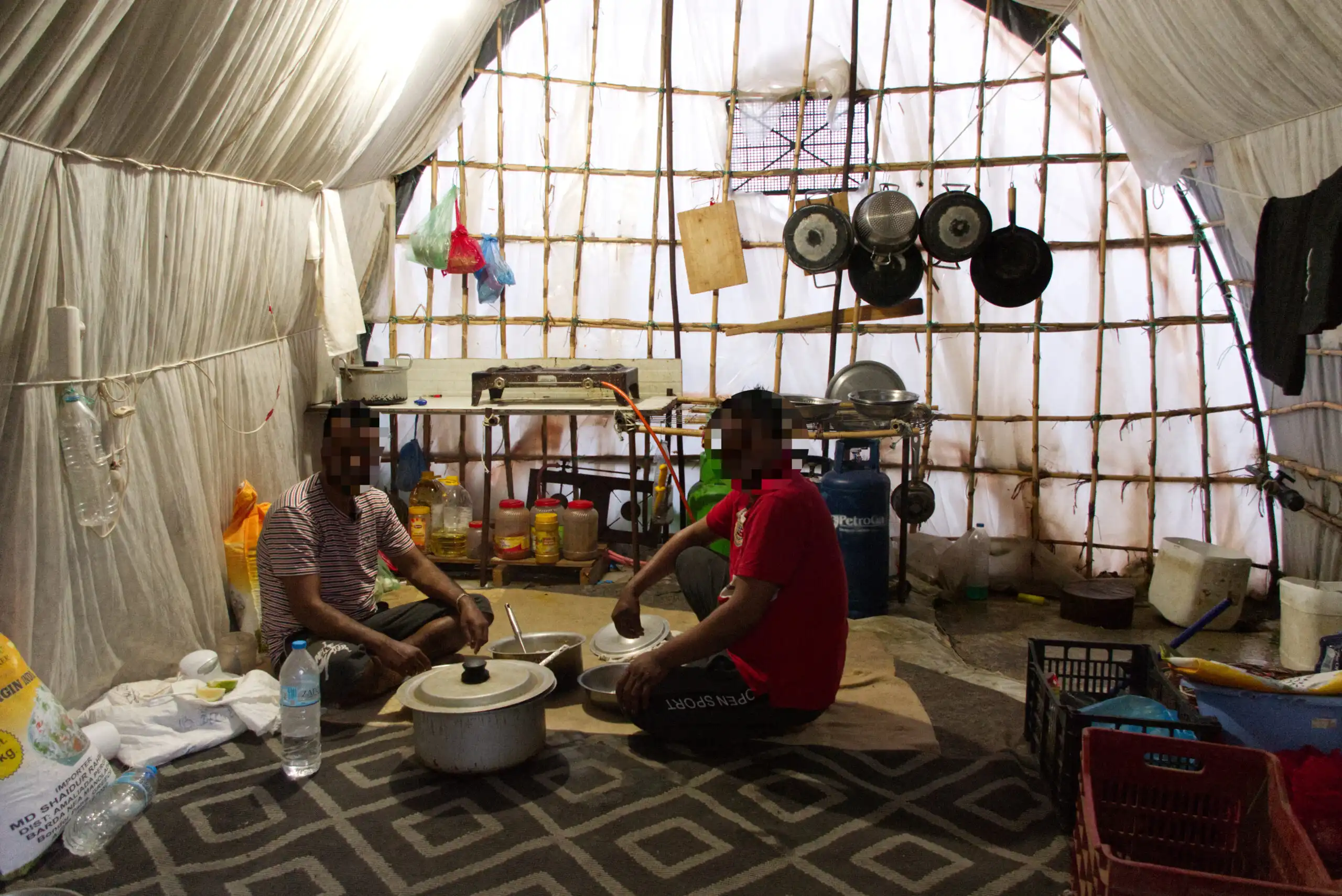
Strawberries are now also available to buy in winter. They thrive in Nea Manolada, Greece, but there are downsides to growing them. Scientist Johannes Jungfleisch has investigated the conditions of South Asian workers.

How Georgia’s population is fighting back against new hydroelectric power plants
The history of hydropower in Georgia dates back to the Soviet era. The snow- and glacier-covered Caucasus Mountains feed numerous rivers, whose water is ideal for electricity generation. In 2023, there were 119 active hydropower plants in Georgia, accounting for more than 70 percent of the country’s electricity. That is a considerable amount. According to […]