


Social-ecological transformation
The massive use of fossil fuels is heating up our planet and leading to a loss of biodiversity. The consequences of climate change are so serious that we must take urgent action if we want the Earth to remain habitable for humans in the future.
The socio-ecological transformation is proving to be a huge political, social, economic, and scientific challenge. It is still unclear how we can implement global sustainability goals while maintaining prosperity in the Global North and building it in the Global South. The extent to which people are affected by both the consequences of climate change and the effects of political measures depends heavily on their economic and social status and where they live.
Some sections of society are calling for the fastest and most comprehensive transformation possible in order to slow down climate change and reduce greenhouse gas emissions. Other population groups feel that the multitude of demands is going too far and that the transition to a sustainable economic system is happening too quickly. In politics, the relevant measures are the subject of lengthy discussions and repeated renegotiations, which means that the socio-ecological transformation is progressing only slowly.


How Georgia’s population is fighting back against new hydroelectric power plants
The history of hydropower in Georgia dates back to the Soviet era. The snow- and glacier-covered Caucasus Mountains feed numerous rivers, whose water is ideal for electricity generation. In 2023, there were 119 active hydropower plants in Georgia, accounting for more than 70 percent of the country’s electricity. That is a considerable amount. According to […]

Georgia’s hydroelectric power plants: a controversial development project
In theory, the construction of hydroelectric power plants in Georgia should be a win-win situation. On one side, the European giant, which wants to use the seemingly green and sustainably produced electricity needed for the green transition. On the other side, the small Georgian state, which is already harmonizing its energy laws and practices with […]
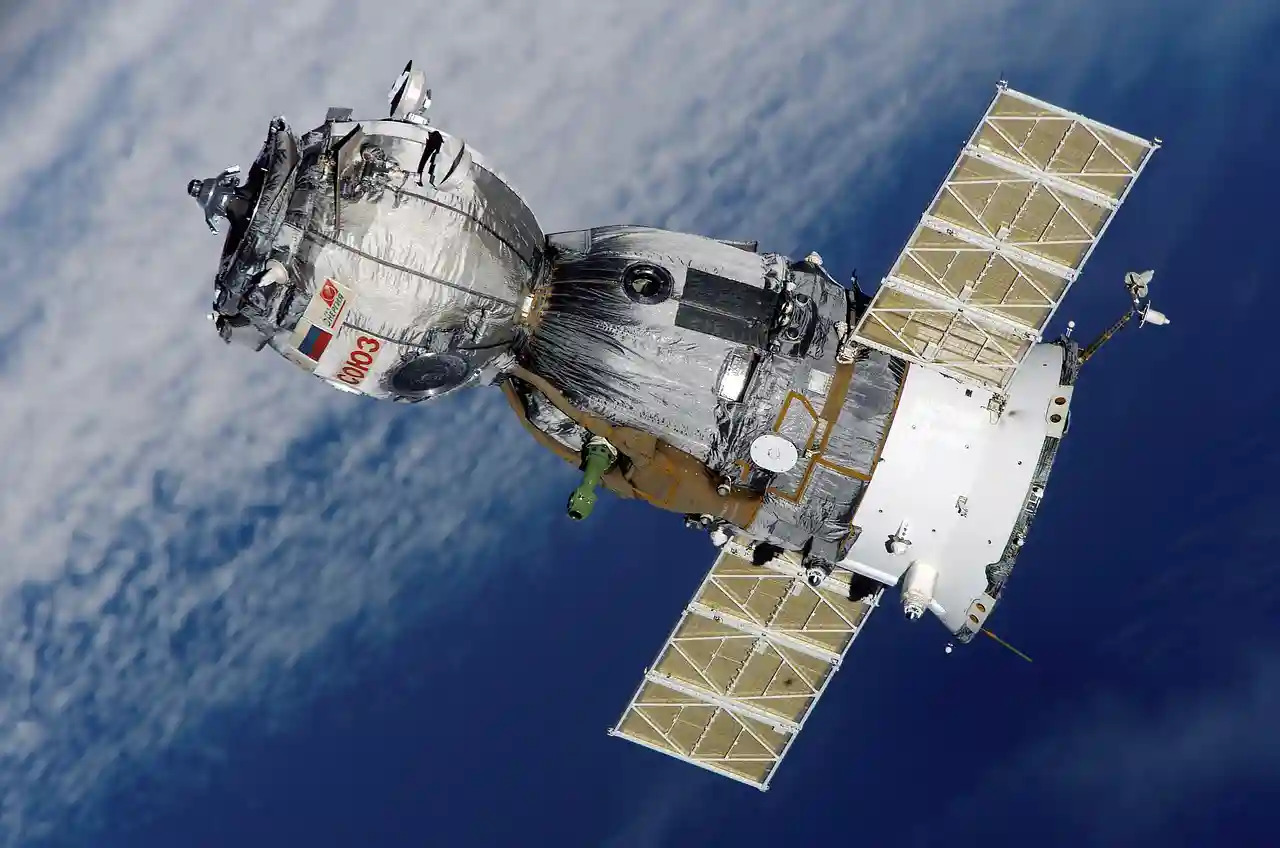
Traveling at 40,000 km/h towards Earth: Space debris is harming our environment
High above our heads, the International Space Station (ISS) orbits at an altitude of around 400 kilometers. Astronauts live and work there under extreme conditions. But they face a new and growing problem: space debris. This debris consists of old satellite parts, spent rocket stages, and broken equipment. Even pieces just millimeters in size hurtle […]