


Post
5 Min.
20. December 2025
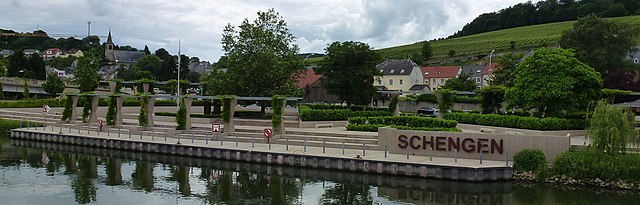
40 years Schengen agreement

Dr. Isabel Hilpert
Wissenschaftliche Referentin
Institut: Leibniz-Institut für Länderkunde (IfL)
E-Mail: i_hilpert@leibniz-ifl.de
Alle Artikel dieser Autor:inWith an area of over four million square kilometers, a population of nearly 420 million, and 3.5 million border crossings each day, the Schengen Area is the world’s largest area of free movement across borders (European Council 2025). The Schengen Agreement is considered a milestone in European integration. It realizes one of the four fundamental freedoms of the European single market and has fundamentally changed the functioning and perception of borders in Europe. Schengen determines how people enter the European area and move within it. From the outset, the concept of free movement within the Schengen Area was linked to a massive expansion, standardization, and strengthening of controls at the external borders.
On its 40th anniversary, the Europe of open internal borders is increasingly being called into question—against a backdrop of far-reaching politicization and securitization of migration, as well as a general renationalization of European policies. Nevertheless, Schengen remains a defining feature and cornerstone of the European Union (EU). Cross-border cooperation among police, judicial authorities, legal systems, and domestic policies, as well as the foreign policies of member states, are significantly influenced by the agreement. Above all, it has a tangible impact on the lives of millions of people in the EU, particularly in border regions.
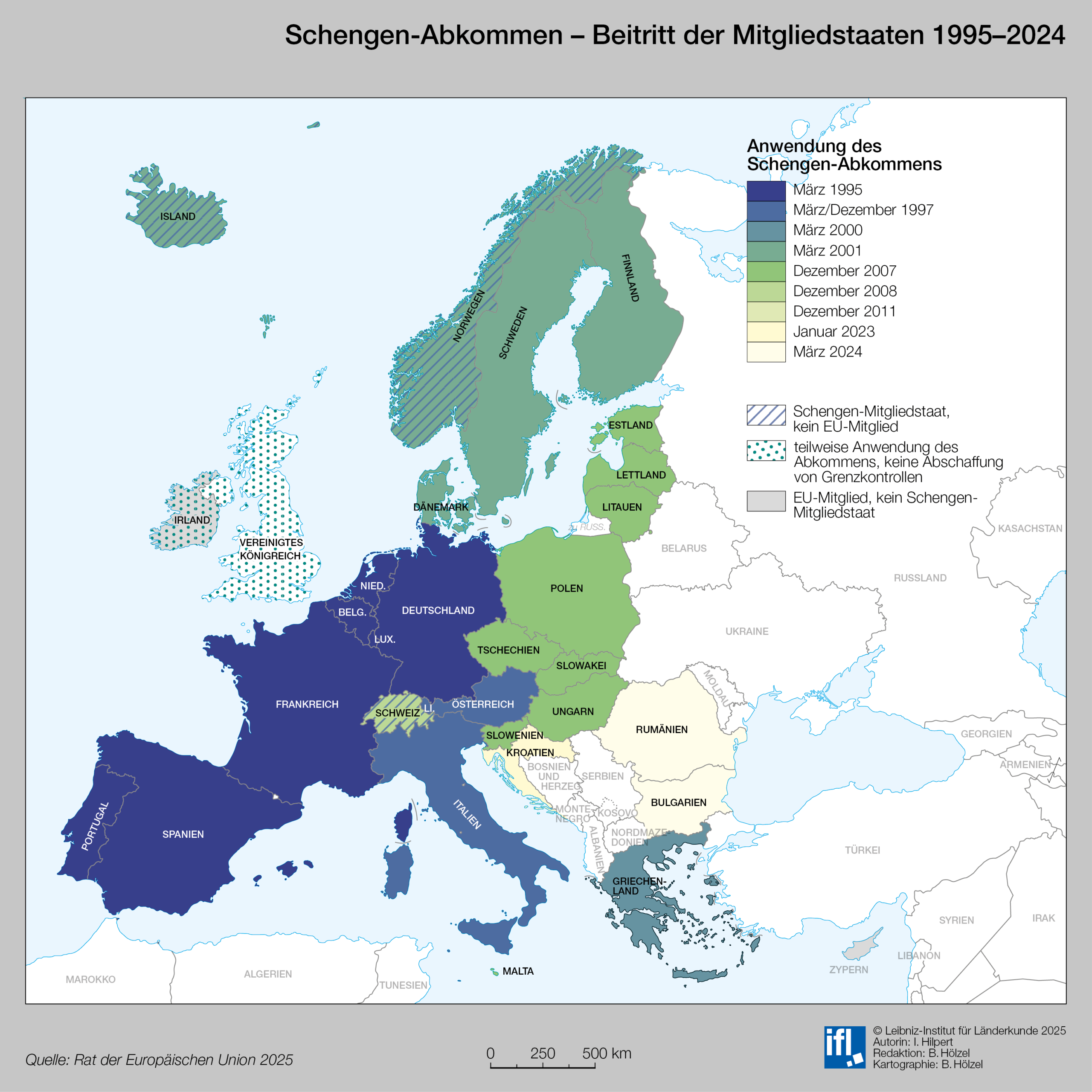
The Schengen Area has been expanded gradually and now includes not only EU member states but also selected non-EU countries. Admission was contingent on meeting political and technical requirements, particularly in the areas of border control and migration. Many Eastern European countries joined starting in 2007, while Bulgaria and Romania did not join until 2024/25.
The return of border controls
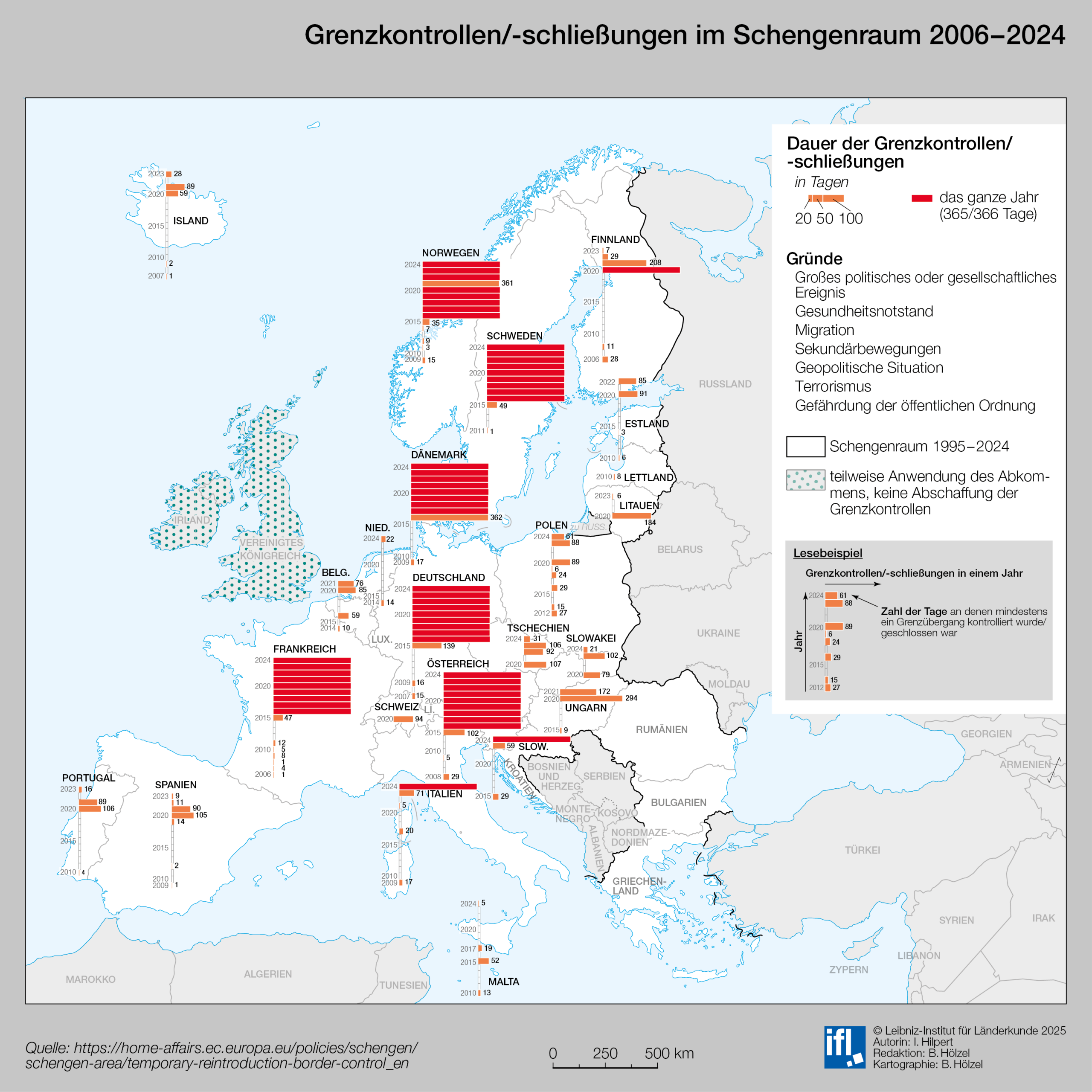
On the 40th anniversary of the Schengen Agreement, 11 of the 29 member states are conducting full or partial internal border controls with other Schengen states: Slovakia, Germany, Bulgaria, Slovenia, Italy, Austria, the Netherlands, Norway, Denmark, France, and Sweden (European Commission 2025).
According to the Schengen Borders Code, border controls between member states may only be temporarily implemented in the event of a serious threat to public order or internal security, or during major political, social, or sporting events (European Commission 2025). Until 2015, internal border controls were also carried out almost exclusively for a few days in connection with such major events.
Irregular migration, terrorism, geopolitical circumstances, or inadequate controls at the external borders of the Schengen Area—the justifications given by member states for the reintroduction of internal border controls are diverse today and have shifted in recent years from threat-based to risk-based arguments (Karamanidou/Kasparek 2022). Taken together, they reflect a shift in the security discourse and a declining commitment to the European integration project among EU member states (for a discussion of this, see Pettersson Fürst 2025). The “migration crisis” of 2015 and the COVID-19 pandemic have fundamentally transformed the Schengen Area.
„Migration crisis“ 2015
The most significant paradigm shift undoubtedly took place in 2015 and 2016. When an unusually large number of people sought refuge in the EU due to complex crisis-related factors, nine Schengen states reintroduced border controls. Governments argued that their reception capacities were exhausted, that internal security could no longer be guaranteed, and pointed to the control practices of other member states or the lack of protection at the external borders. After initially signaling openness, Germany also began controlling all internal borders starting in September 2015, with a focus on the borders with Austria.
At the European level, a joint solution was sought, which ultimately consisted of registering refugees in so-called hotspots in Greece and Italy and, above all, drastically reducing the number of arrivals: through a massive reinforcement of external borders, the construction of border fences (for example, between Hungary and Serbia), and through agreements with third countries (Hilpert 2022). Central to this was the agreement between the EU and Turkey (European Council 2016), under which irregular migrants were to be taken back by Turkey in exchange for financial and political benefits.
Even after the number of arrivals had dropped significantly again, some countries maintained permanent controls. The Schengen system never fully returned to its previous practices.
Covid-19 pandemic
Starting in March 2020, borders within the Schengen Area were not only subject to controls but some internal borders were also partially closed to help contain the spread of the coronavirus. COVID-19-related border closures and border controls in the Schengen Area occurred in several waves until mid-2022. At the peak of the pandemic, 18 countries had reinstated internal border controls within the Schengen Area. There were only a few permitted reasons for entry. People were turned away at the borders, health checks were conducted at border crossings, and the number of border crossings was limited. Among other things, this led to significant traffic problems, such as at the German-Polish border, where a 70-kilometer-long traffic jam formed in March 2020 (Reinhard 2020).
Especially in border regions where intensive cross-border movement of people and goods is of crucial importance, the controls and border closures also led to many further restrictions and problems (Renner/Miggelbrink/Beurskens/Zitterbart 2022, Brodowski/Nesselhauf/Weber 2023). At the start of the pandemic, many countries closed their internal borders unilaterally and in an uncoordinated manner, leading to tensions between neighboring countries. Air traffic with non-Schengen countries was also frequently restricted without coordination. As the situation evolved, coordination mechanisms improved progressively (see European Council 2021).
Where does Europe stand today with its open internal borders?
Border practices over the past decade have led to the normalization of border controls within the Schengen Area. Today’s controls, however, differ from those in the pre-Schengen era: they are generally selective rather than systematic, and governments strive to minimize disruptions to regular border traffic as much as possible.
At the structural level, the EU sought to return to a reduction in controls through a new Schengen Borders Code. In 2021, a reform process was initiated at the proposal of the European Commission and successfully concluded in July 2024 following negotiations between the European Parliament and the Council. The revised Schengen Borders Code is intended to offer participating states alternatives to the reintroduction of border controls, further promote their cooperation and data exchange, enable a more appropriate response to pandemics, and ensure better coordination of border controls as a last resort (European Parliament/Council of the European Union 2024).
One year after the Schengen Borders Code was updated, numerous countries continue to conduct checks at the internal borders of the Schengen Area. In Germany, for example, checks have been carried out without interruption at at least one border crossing with other Schengen Area countries since 2015. The new federal government has further tightened these controls in 2025 and has also ordered the rejection at the borders, under certain conditions, of asylum seekers from third countries deemed safe, a move that has already led to legal disputes (Pichl 2025).
On the anniversary of its signing, the Schengen Agreement is in a deep crisis, which is also leading to growing tensions among the participating states. These states have long sought, with the support of the European Commission, to further strengthen external border protection as the lowest common denominator. At the same time, new countries continue to seek accession to the Schengen Area. Meanwhile, the government of Luxembourg—the country in which the small municipality of Schengen is located—is marking the anniversary with a large celebration to honor the achievement of a Europe of open borders.
This text was first published at Nationalatlas.de on11.06.2025.
All video-interviews can be found here.
Über diesen Artikel
Lesen Sie auch


Saudi Arabia in Transition: Between Reform and Control
Comedy and film festivals, rock concerts, and resorts on the Red Sea—these are not the kinds of things one would have associated with Saudi Arabia until recently. For eleven years now, a dramatic social transformation has been taking place in the vast Gulf state: Until then, the feared religious police enforced strict gender segregation in […]
Greek strawberries “made in Bangladesh”
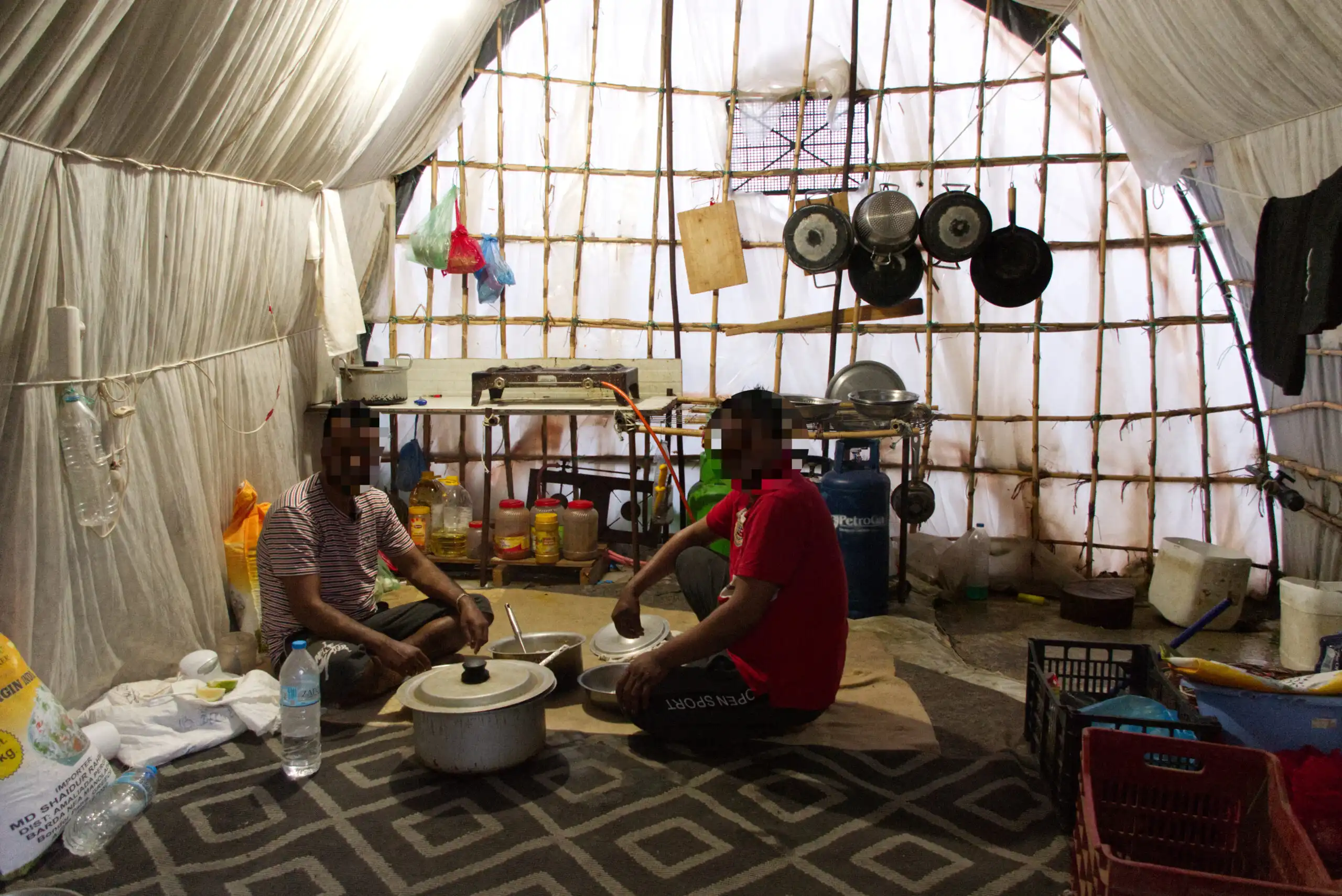
Strawberries are now also available to buy in winter. They thrive in Nea Manolada, Greece, but there are downsides to growing them. Scientist Johannes Jungfleisch has investigated the conditions of South Asian workers.
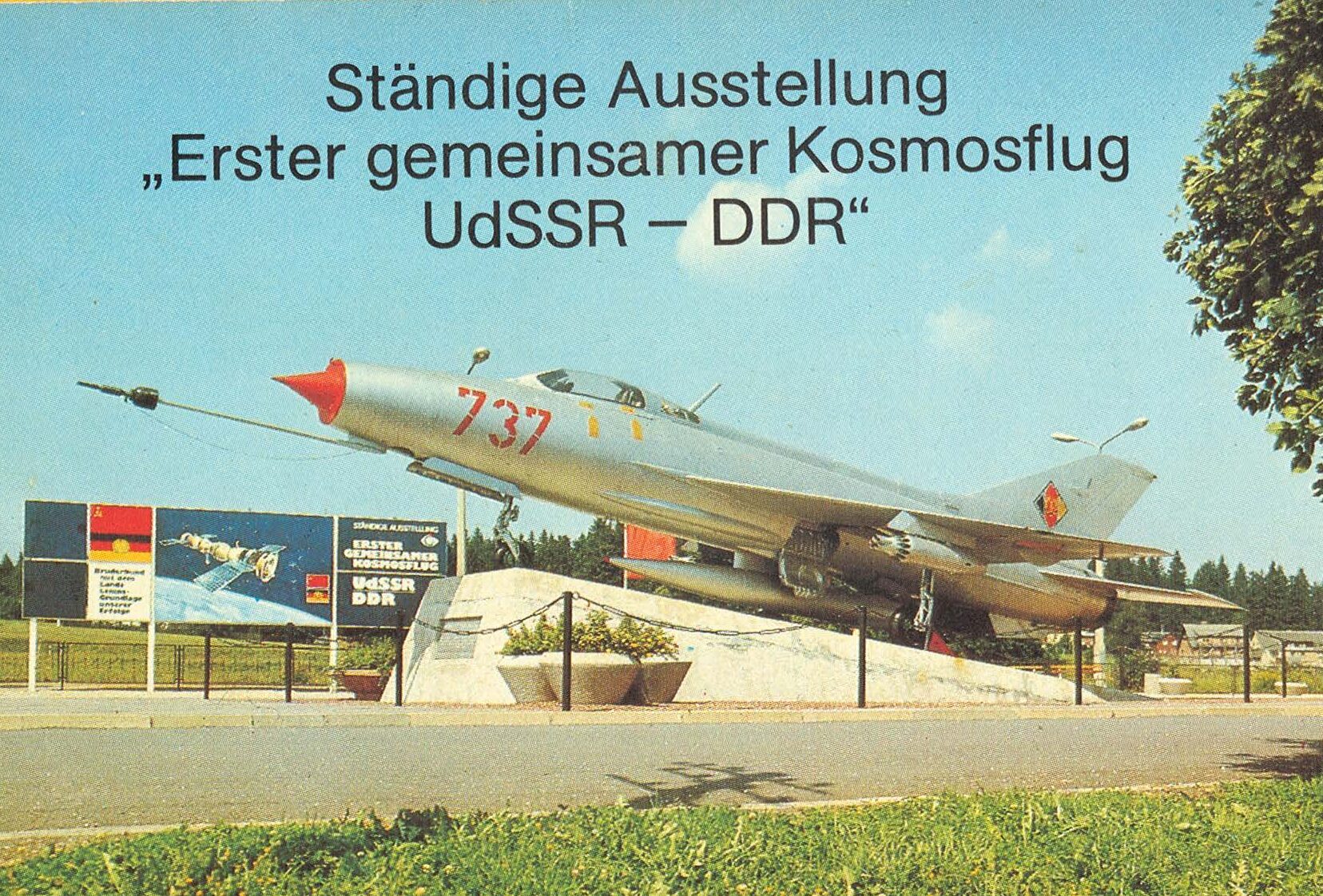
Morgenröthe-Rautenkranz: From a Propaganda Site to a Modern Space Museum
Click here for the German version. In the late 1970s, the small mountain village of Morgenröthe-Rautenkranz in the Vogtland region suddenly became a state-sponsored pilgrimage site. The reason for this was the so-called “space-first” achievement of the “Workers’ and Peasants’ State”: “The first German in space—a citizen of the GDR,” East German media proudly reported […]