


Post
6 Min.
16. March 2026
The status quo in transition: East Jerusalem during Ramadan 2026
PD Dr. Johannes Becker
Wissenschaftler
Institut: Leibniz-Zentrum Moderner Orient (ZMO)
E-Mail: Johannes.Becker@zmo.de
Alle Artikel dieser Autor:inThe German version can be found here,
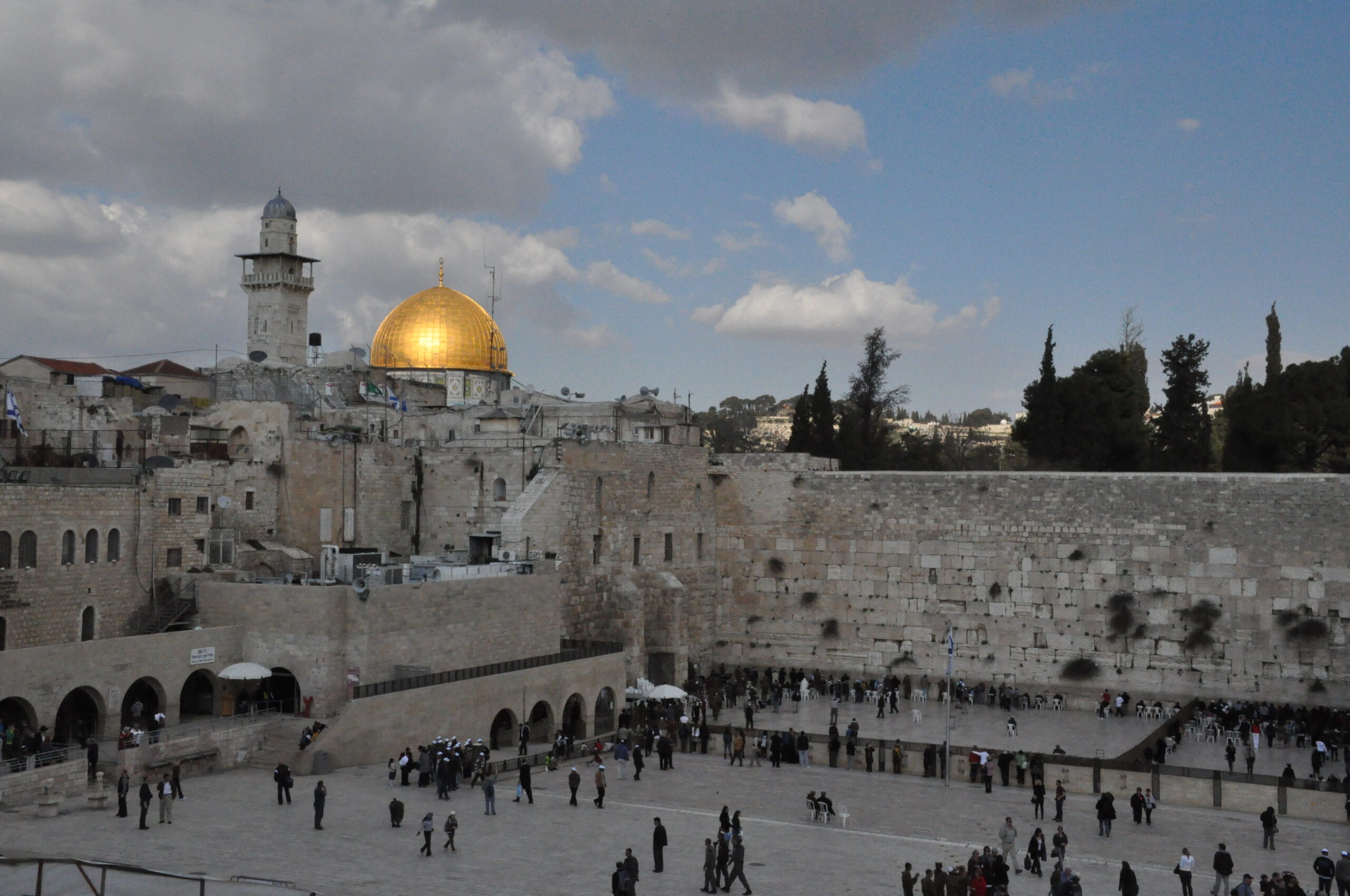
During Ramadan, East Jerusalem regularly makes headlines. These reports focus less on the city’s colorful Ramadan traditions or the general religious significance of the Temple Mount (Arabic: Haram al-Sharif, the Noble Sanctuary / Hebrew: Har ha-Bayit, Mount of the House or Temple), which is considered a particularly holy site in both Islam and Judaism. Rather, media reports in recent years have mostly focused on riots, access restrictions for…
This year’s Ramadan, which runs from February 18 to (presumably) March 19, is taking place in Jerusalem against the backdrop of a particularly tense local and regional situation, caused primarily by the fragile ceasefire following the Gaza War, ongoing regional conflicts, the repercussions of the Hamas attack in Israel, and the escalating violence in the West Bank—driven mainly by attacks carried out by Jewish settlers. Added to this is the Israeli government’s recent decree closing the Temple Mount and all other religious sites in Jerusalem due to the war with Iran—a closure that has now lasted for more than two weeks.
This year, however, the situation in Jerusalem is particularly tense because the long-established “status quo” at the holy sites and the associated procedures are being called into question, which is adding to the already tense situation. The Jerusalem Post recently ran the headline: “Ramadan set to test shifting norms on Temple Mount.” The British Guardian reported: “‘Al-Aqsa is a detonator’: Six-decade agreement on prayer at Jerusalem holy site collapses.”
In recent weeks, there have been arrests, and the Israeli government has restricted Muslim worshippers’ access to the Temple Mount. Fortunately, however, the worst fears of violent clashes in Jerusalem during the current Ramadan have not materialized (as of March 16, 2026). Nevertheless, the fragile situation prompts us to assess the developments surrounding the Temple Mount/Haram al-Sharif as well as the realities of life for Palestinians in East Jerusalem.
Historical Context: Who Controls East Jerusalem?
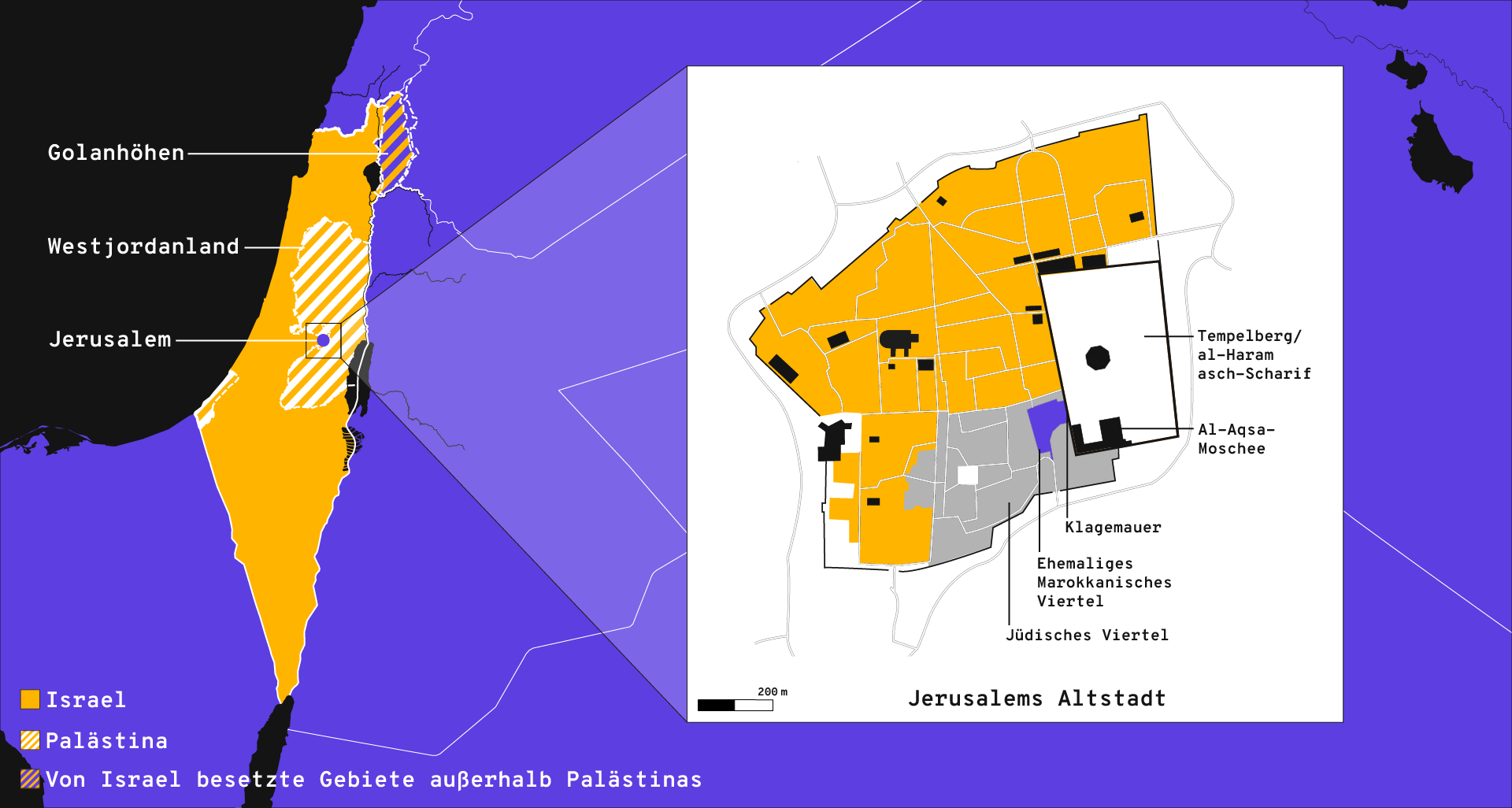
Jerusalem lies on the border between Israel and the West Bank. The Haram al-Sharif/Temple Mount is located in the Old City, which is part of East Jerusalem. East Jerusalem was controlled by Jordan until 1967; since then, it has been occupied by Israel, following the country’s victory in the Six-Day War that year. While the Palestinian Authority claims East Jerusalem as the capital of the future Palestinian state, Israel makes the same claim for the entire city.
Since 1967, Jews have once again been able to pray at the Western Wall, located directly below the Temple Mount, which was de facto impossible from 1948 to 1967. To make way for this, the Moroccan Quarter, located directly in front of the Wall, was demolished. The Jerusalem Waqf (religious endowment), established by Jordan, continued to be entrusted by Israel after 1967 with the administration of the Temple Mount/Haram al-Sharif, which is known in Islam as the site of the Prophet Muhammad’s Night Journey and Ascension. Israel took over security control there.
Although the Temple Mount is a holy site in Judaism as the location of the First and Second Temples, in 1967 Israeli politicians and leading rabbis prohibited prayer on the site for political and religious reasons. Since then, Jews have been allowed to visit the site but are officially prohibited from performing religious rituals there. Only Muslims are permitted to pray there. This arrangement became known as the “status quo.” In practice, however, these boundaries have shifted more and more.
Temple Mount: The Status Quo at a Tipping Point
The current Israeli government is considered the most right-wing in the country’s history. Religious-nationalist and openly far-right actors have also shaped Jerusalem’s politics for years. This is particularly evident at the Temple Mount/Haram al-Sharif, where the “status quo” is increasingly crumbling.
As early as the 1990s, demonstrative visits by nationalist politicians and organized settler groups to the Temple Mount began to increase—in 2000, the Second Intifada (in this context, Intifada means uprising or rebellion) began, in part due to a visit by future Prime Minister Ariel Sharon to the Temple Mount. And while in the 1990s attempts by Jews to pray on the Temple Mount were usually prevented by the police, the police sometimes tolerated brief, silent prayers in the 2000s. At the same time, access for Palestinians was repeatedly restricted.
Over the past decade or so, the boundaries have been pushed further and further. Visiting hours for Jews have been significantly expanded—even during this year’s Ramadan. According to the Jerusalem Post, more than 68,000 Jewish visitors were counted during the last Hebrew year, which ended in late September 2025, an increase of over 22 percent from the previous year. Security forces now sometimes tolerate open prayers, including the use of prayer guides—a clearly visible breach of the actual “status quo” even to outsiders. Right-wing Jewish activists dream of building a Third Temple and are raising money for this purpose.
The perceived threat to the holy sites unites and mobilizes the Palestinian population of Jerusalem [1]. As early as 2017, 2021, and 2022, demonstrations took place in the city, some of which led to violent confrontations with security forces. The demonstrations were each linked to developments at the Haram al-Sharif, such as new security measures or access restrictions.
Israeli control over Palestinians in East Jerusalem is increasing
The dynamics surrounding the Haram al-Sharif/Temple Mount are rooted in the occupation that has persisted since 1967 and the steadily increasing control over Jerusalem’s Palestinian population. The city has just under one million residents; more than a third of them are Palestinians, who live almost exclusively in the eastern part of the city. East Jerusalem was integrated into the Israeli municipal administration after the war and has been cut off from the West Bank since the 2000s by the separation barrier—which takes the form of a six- to eight-meter-high wall in Jerusalem. In reality, however, Jerusalem is a divided city with largely separate spheres of life. A central goal of Israeli policy is to secure a Jewish majority. This has practical implications.
After 1967, only two to thirteen percent of the annual municipal budget flowed into the Palestinian neighborhoods in East Jerusalem [2], [3]. Although social welfare benefits were introduced for Palestinians, and there were better income and employment opportunities—particularly in the low-wage sector (“Arab labor”). At the same time, fundamental rights were restricted, including in land acquisition and registration, housing construction, and political participation.
After 1967, Palestinians were issued the “Jerusalem ID” and are de facto stateless. Since the 1990s, they have been required to prove that their primary residence is in the city in order to retain this status. This fueled residents’ fears and contributed to a dramatic rise in housing costs, as many former residents moved back to Jerusalem from other areas and too few new construction projects were approved. Between 1967 and 2023, 14,869 people lost their residency status, according to the human rights organization HaMoked.
Israeli citizenship can be applied for; however, this is (still) frowned upon. In 2005, only five percent of Palestinian residents of Jerusalem held citizenship. Since then, the number of applications has risen—between 2003 and 2019, there were approximately 15,000 applications, of which fewer than 6,000 were approved. Citizenship comes with extensive civil rights and a reduction in significant bureaucratic hurdles—but also entails recognition of the Israeli occupation of East Jerusalem. The partly pragmatic approach to the situation is also evident in the fact that more Palestinians from East Jerusalem are now working in skilled professions in the western part of the city or attending Israeli universities.
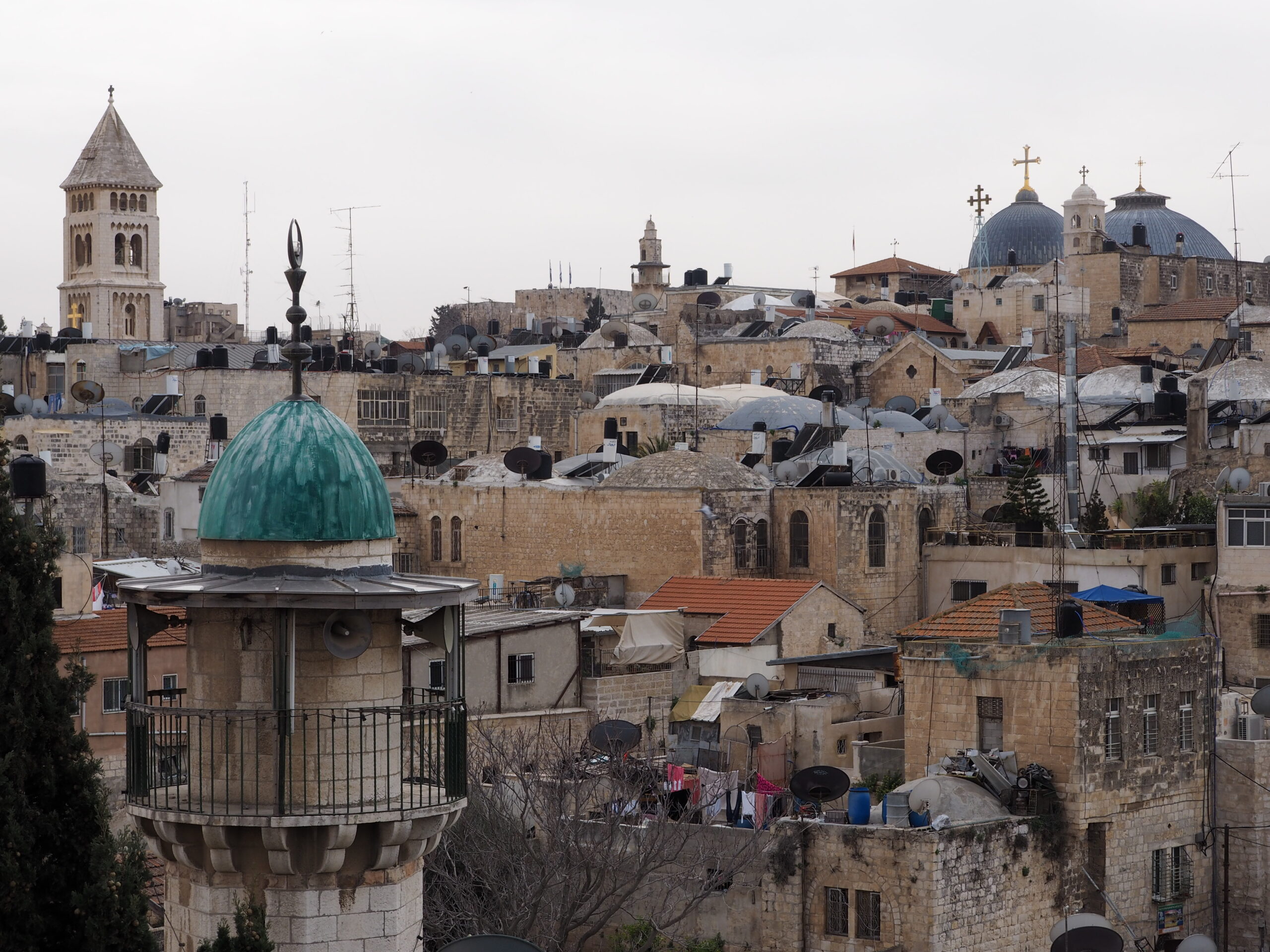
The struggle for control and dominance is intensifying in Jerusalem’s Old City, whose Palestinian residents see themselves as guardians of the holy sites and are particularly affected by the conflicts over the “Holy City” [4]. Only two-thirds of the area, which covers roughly one square kilometer, is residential; the rest consists mainly of religious buildings. The residents of the Palestinian neighborhoods tend to belong to lower socioeconomic classes and are considered conservative and traditional. Poverty, unemployment, fragile family structures, dilapidated infrastructure, and crumbling houses are ever-present problems, as is the high population density—although the number of residents has fallen from over 40,000 to under 30,000 in the past 15 years, living conditions remain extremely cramped.
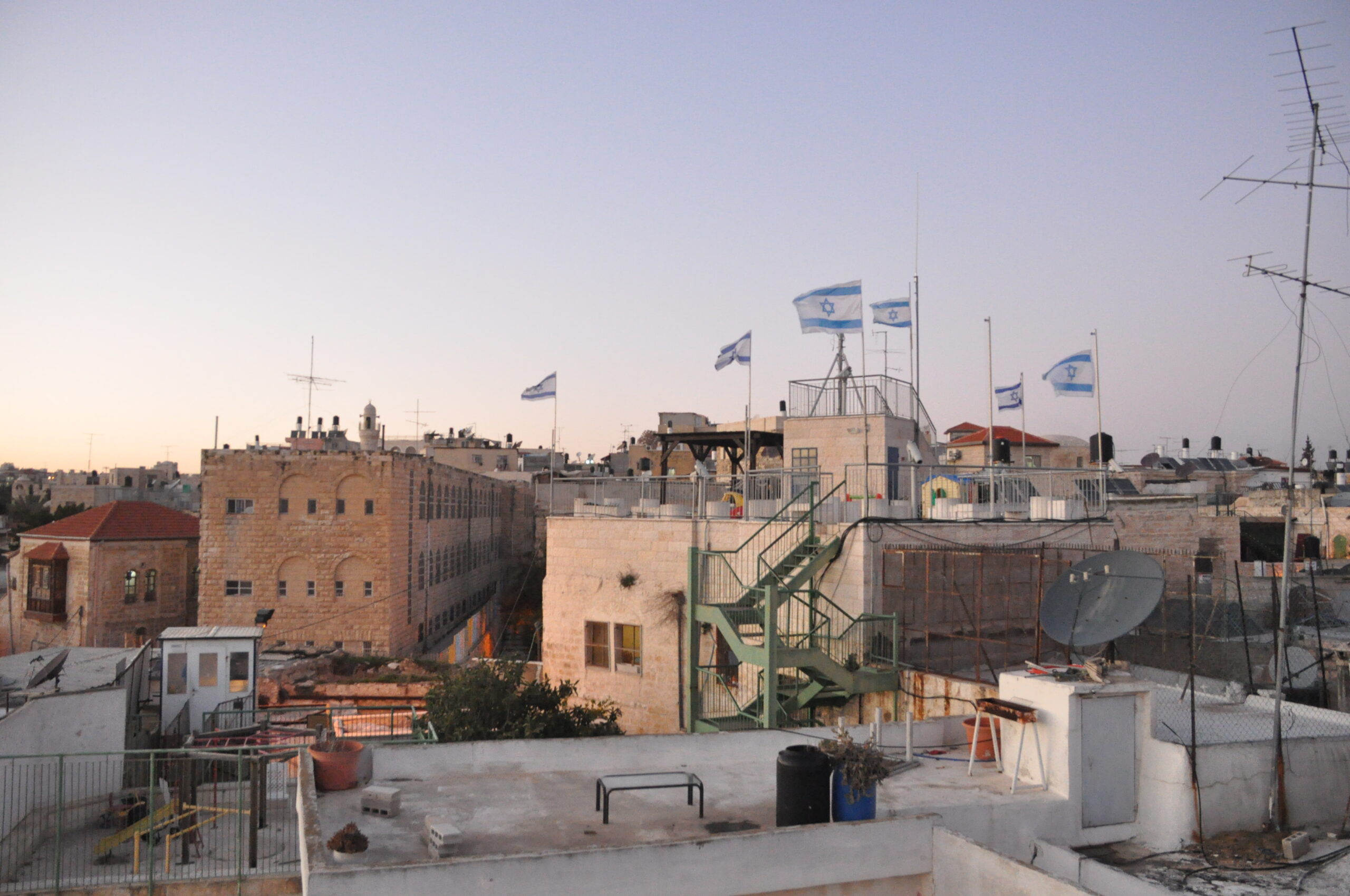
Despite a clear Palestinian majority (2021: 77.1% Muslim, 14.3% Christian, 8.6% Jewish), Jewish settlements are very prominent in the Old City. They are heavily fortified; their residents are armed. The legal basis for this includes, among other things, the reclamation of formerly Jewish property from the years prior to Jordan’s takeover of the eastern part of the city in 1948—an option that is not available to Palestinians for their former property in what later became Israeli West Jerusalem. In addition, houses and apartments are being purchased at exorbitant prices. Alongside psychological pressure, physical violence or forged documents are also occasionally employed.
These developments are accompanied by increased surveillance as well as a massive buildup of police and military forces: the Muslim and Christian neighborhoods are under dense video surveillance with automatic facial recognition. Under Police Minister Itamar Ben-Gvir, repression and tensions have continued to escalate since late 2022, particularly after October 7, 2023. It was not until mid-February 2026 that the largest Palestinian community center in the Old City, Burj al-Laqlaq, was closed for (initially) six months due to alleged ties to the Palestinian Authority.
The gradual erosion of the “status quo” at the holy sites may be receiving a great deal of media attention this Ramadan—but it is part of a broader, long-term trend toward greater control and further restrictions on Palestinian life in East Jerusalem.
PD Dr. Johannes Becker is a research fellow at the Leibniz Centre for Modern Oriental Studies (ZMO) in Berlin. His research, conducted from a sociological perspective, focuses on cities and migration, as well as families and biographies, with an emphasis on the Levant and Central Europe. His new book, “Everyday Life in the Old City of Jerusalem: Historical Transformations and Biographical Emplacements“, was recently published.
[1] Cohen, Hillel (2011): The rise and fall of Arab Jerusalem: Palestinian politics and the city since 1967. Abingdon, Oxon, New York: Routledge.
[2] Benvenisti, Meron (1996): City of stone: The hidden history of Jerusalem. Berkeley: University of California Press: 126.
[3] World Council of Churches (2024): Fact sheet – Demographics of Jerusalem.
[4] Becker, Johannes (2026): Everyday life in the Old City of Jerusalem: Historical transformations and biographical emplacements. New York: Routledge.
Über diesen Artikel
Lesen Sie auch
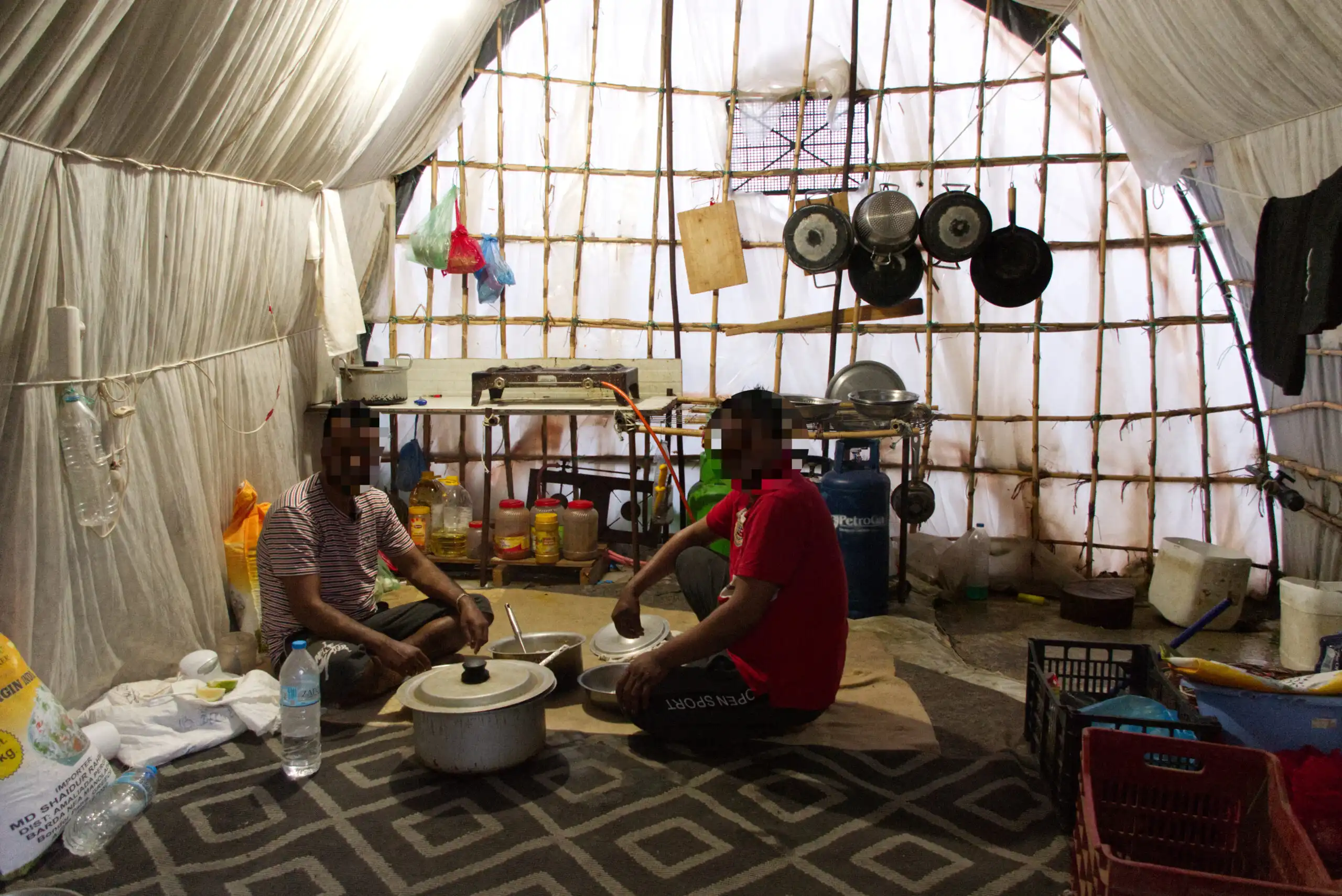

Greek strawberries “made in Bangladesh”
Strawberries are now also available to buy in winter. They thrive in Nea Manolada, Greece, but there are downsides to growing them. Scientist Johannes Jungfleisch has investigated the conditions of South Asian workers.
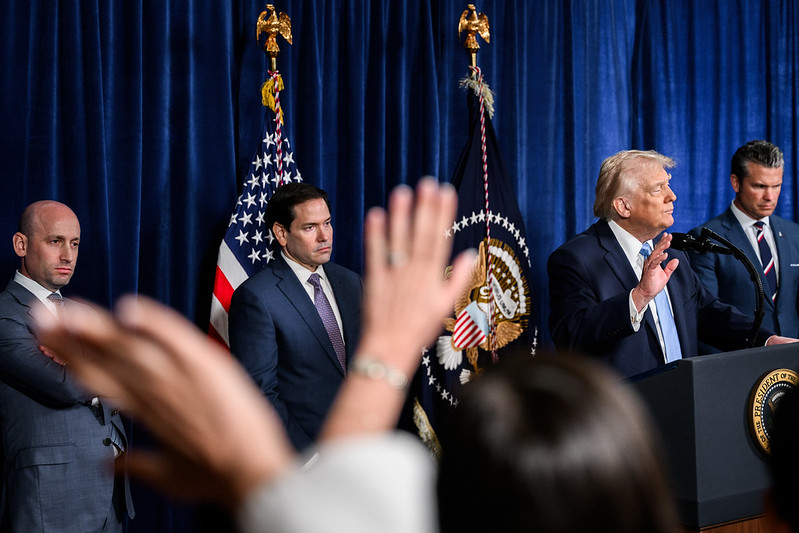
Imperialist violence in the “backyard”: Background and implications of the US military intervention in Venezuela
The military strikes against Venezuela on January 3, 2026, which culminated in the kidnapping of President Nicolás Maduro and his wife Cilia Flores, mark the culmination of the US’s confrontational policy toward the South American country (see below for background information on Venezuela). The attack on Venezuela was – and here there is agreement among […]
On the Run – The Story of Mouhamed
The German version is here. On a typical weekday, life in the city is bustling. Many different people are busy going about their daily routines. Some would like to find work, but they can’t—they are forced to wait. Mouhamed is one of them. He was born in Cameroon in 1994 and studied political science. After […]